
Heavy machinery and plant insurance in NZ
Heavy machinery and plant insurance pays to repair or replace your diggers, loaders and other big gear when it's stolen or damaged. A broker goes to a number of NZ insurers for you and comes back with options in plain English. General information only.
in claims paid since 2018
clients
rating on Google
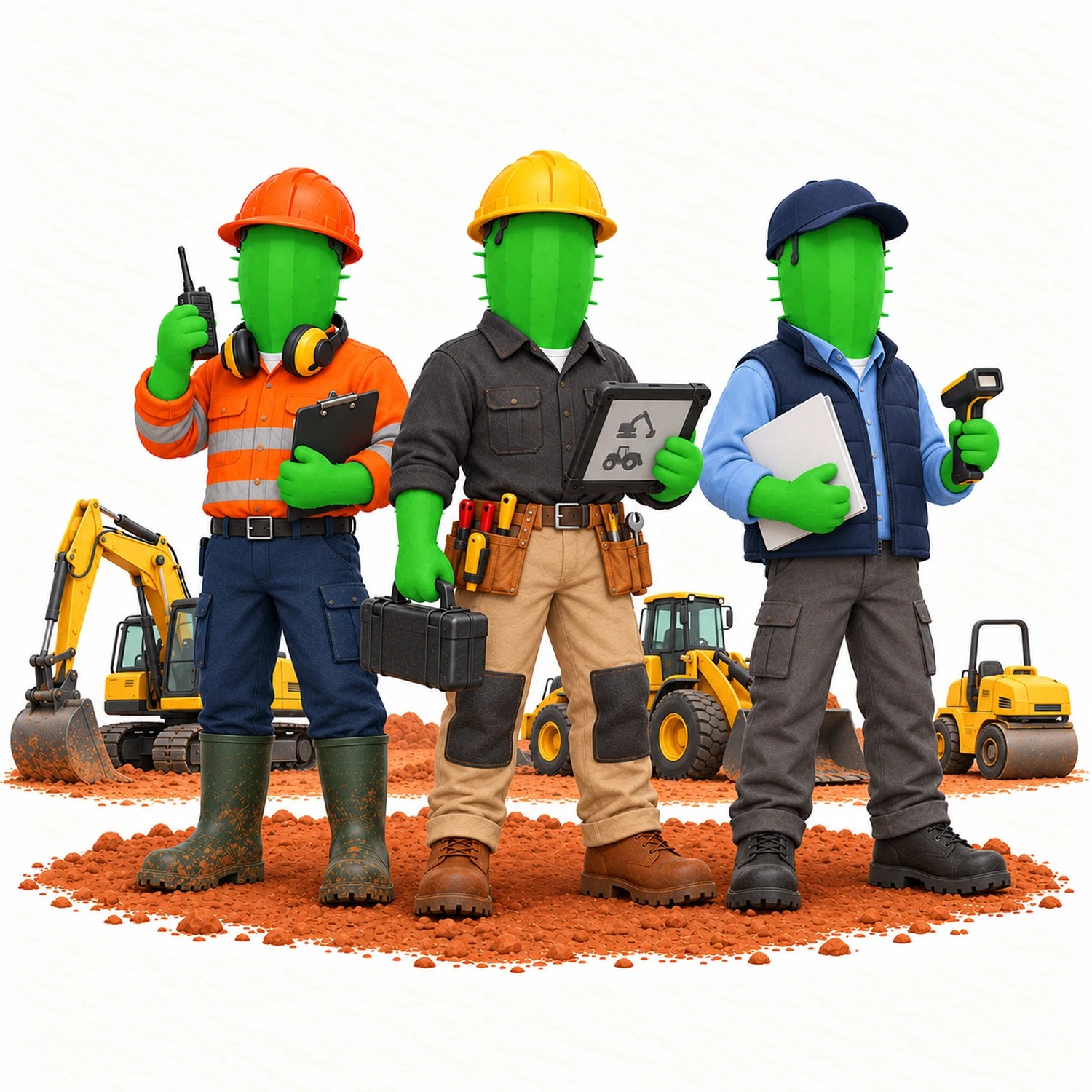
Who needs heavy machinery and plant insurance in NZ?
If big gear earns your living, you need it covered.
- Civil and earthmoving operators with diggers, loaders and rollers
- Builders and contractors who own or hire in site plant
- Owner-operators who hire out or lease plant to others
Not sure which of these you need? That's what the call is for.
A quick 10 minute call about how your business works and what could go wrong. Then we go to a number of NZ insurers and come back with options in plain English. Fill in the form and we'll be in touch the same business day.
What does heavy machinery and plant insurance cover?
Here's the usual lineup for your gear. A broker can sort out the rest. General information only.
Theft
Pays when plant is stolen from a site, yard or depot. Insurers often want security in place, like immobilisers or locked yards.
Accidental damage
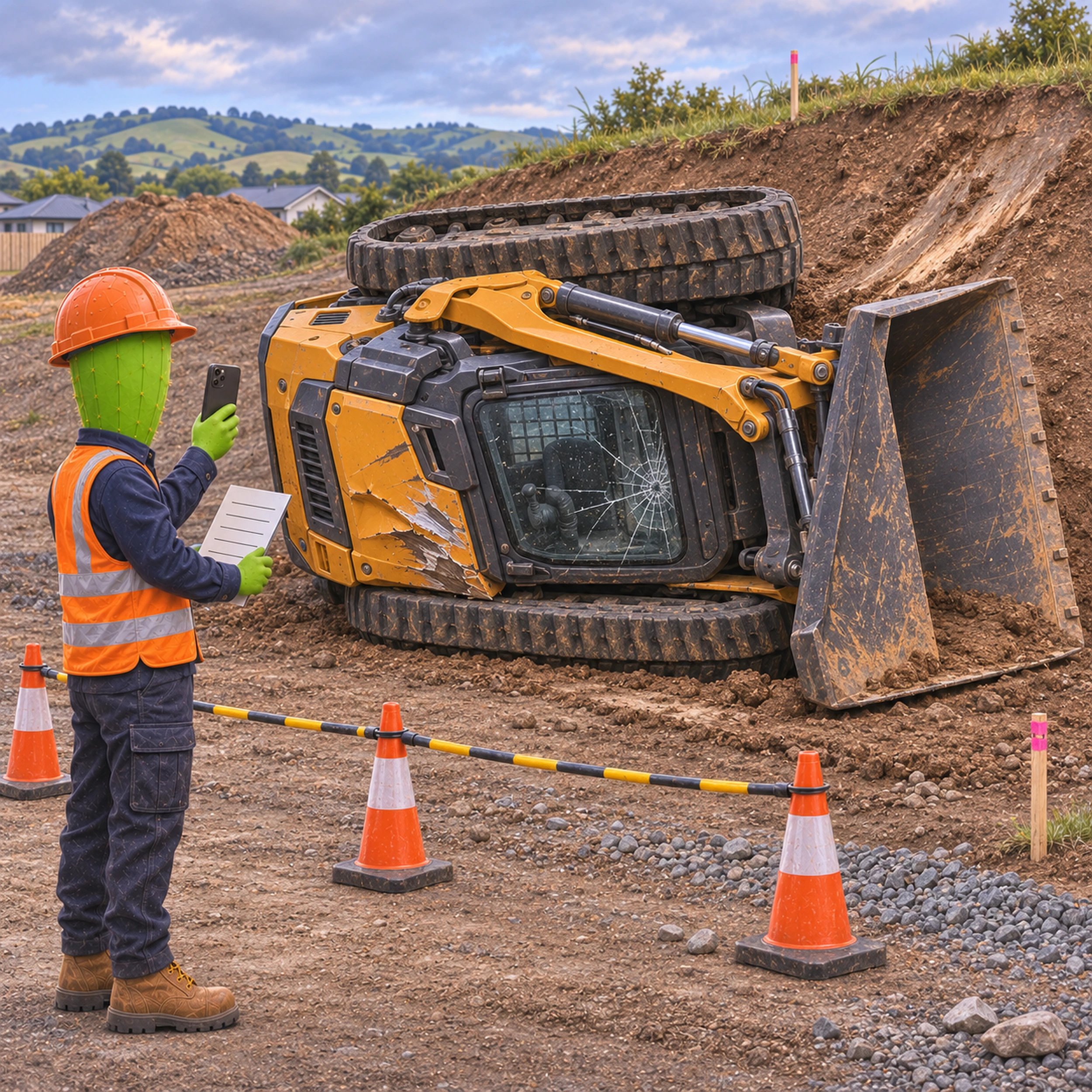
Covers damage to your plant while it's working, like a machine that rolls or hits something. Check the exclusions in the wording.
Fire and storm
Covers fire, storm and similar events that wreck your plant. What's in or out depends on the wording.
Moving plant between sites
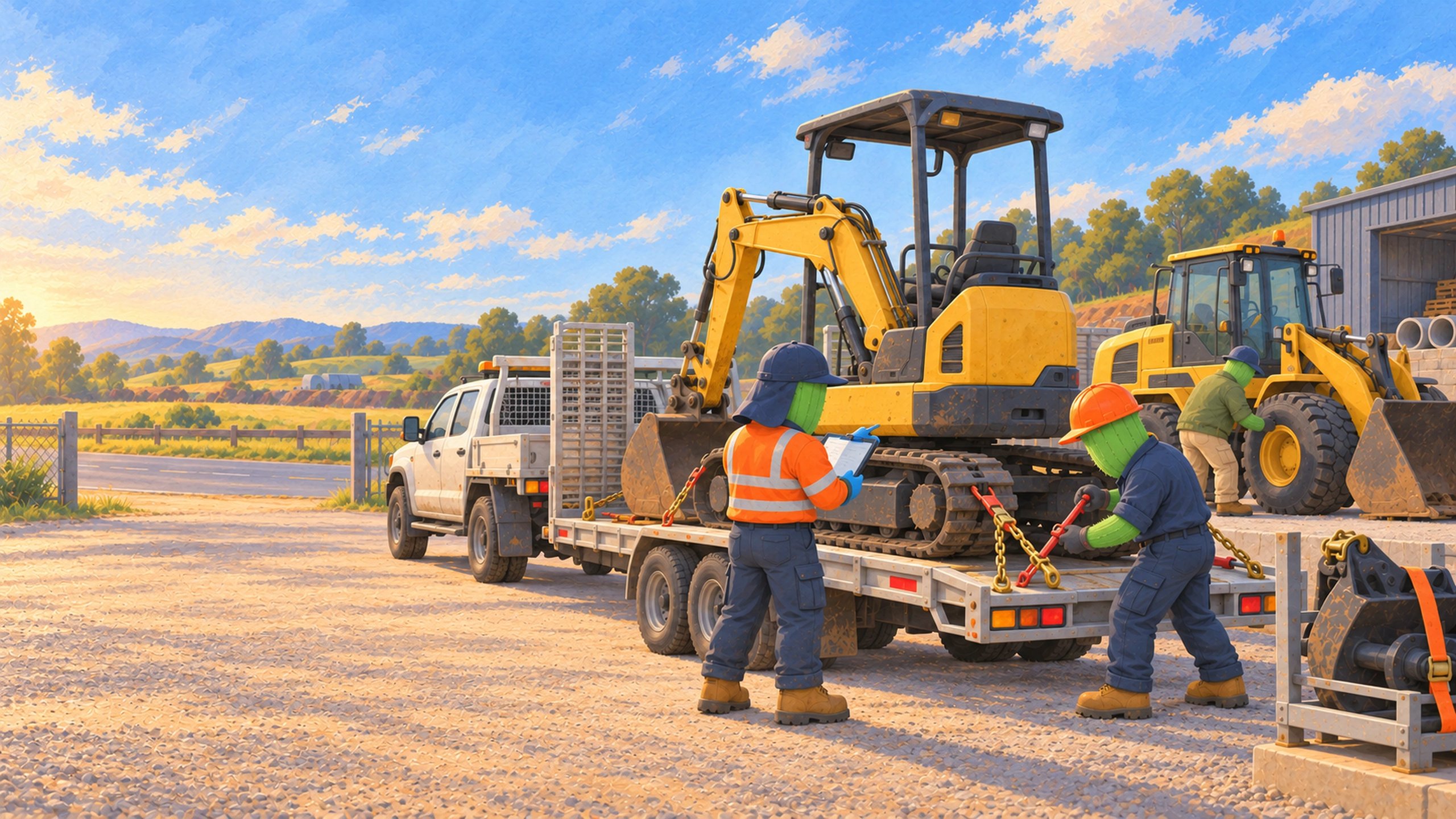
Covers plant while it's loaded, trucked and unloaded between jobs. Some policies limit transit, so check before you move it.
Do I need insurance for my heavy machinery and plant in NZ?
Yes, if you own, lease or run heavy machinery and plant, you should insure it. It pays to repair or replace your diggers, loaders, rollers and other big gear when it's stolen or damaged. It isn't a legal must, but finance companies, main contractors and hire firms often ask for it before you start.
Who usually needs it?
Civil and earthmoving operators, builders with their own plant, farmers, foresters and transport firms with loaders and trailers. If a machine earns your living and losing it would stop the job, you need it. Hiring plant in or out counts too, because your hire agreement usually makes you responsible for it.
What does it usually cover?
Theft from a site, yard or depot. Accidental damage while the machine is working. Fire, storm and similar events. Moving plant between jobs on a truck or trailer. Some policies also add hired-in plant and operator conditions. Check which of these your wording includes, because they're not all automatic.
What isn't covered?
Wear and tear and routine servicing aren't covered, full stop. Small portable gear sits under Tools and Equipment, and your trucks and utes sit under Business Vehicles. Injury to people or damage to their property is a Liability Insurance claim. Insurers can also knock back a claim if you ignored a security condition, like leaving the keys in it.
What affects the price?
The type, age and value of your plant, and whether you settle claims on agreed or market value. Then where it works and sleeps at night, the security you use, your claims history, and the excess you're happy to carry. A big excess lowers the premium but shifts the cost to you on claim day. Your broker gets quotes from a number of NZ insurers, so you're not guessing.
What will my broker check?
- Agreed value or market value, and what that means on a claim.
- Security conditions, like immobilisers, locked yards or tracking.
- The excess on each claim.
- Where you're covered: sites, transit and storage.
- Hired-in plant, and any operator conditions.
- What your hire and finance agreements say you must have.
What does that look like in real life?
A digger is stolen from a subdivision site over a long weekend. Or a loader rolls on a steep job and is a write-off. Either way you could be looking at a replacement bill and weeks of downtime while the job stalls. Without cover, that's on you. With the right cover, your broker helps you lodge the claim and keeps you posted.
Not sure where you stand? Have a yarn with a broker. Ten minutes about how you work is usually enough to see what's in place and what's missing.
Written by Damian Dekker, Commercial Broker, Cactus. Last reviewed 28 October 2026. General information only.
Which industries need heavy machinery and plant insurance?
Pick your trade and see what usually matters for it.
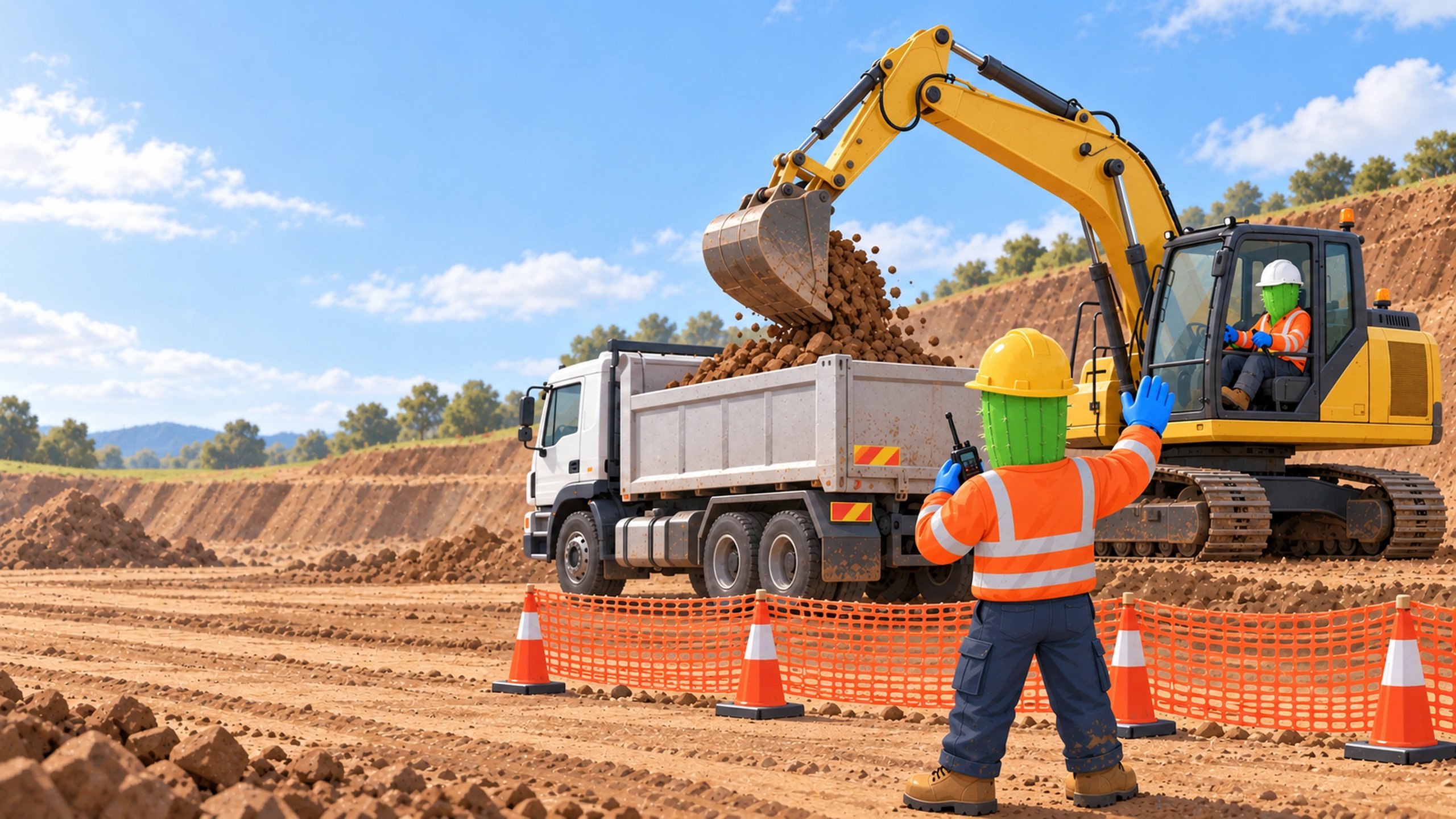
Civil and Groundworks
Diggers, rollers and loaders are the business. A stolen or wrecked machine stops the whole job.
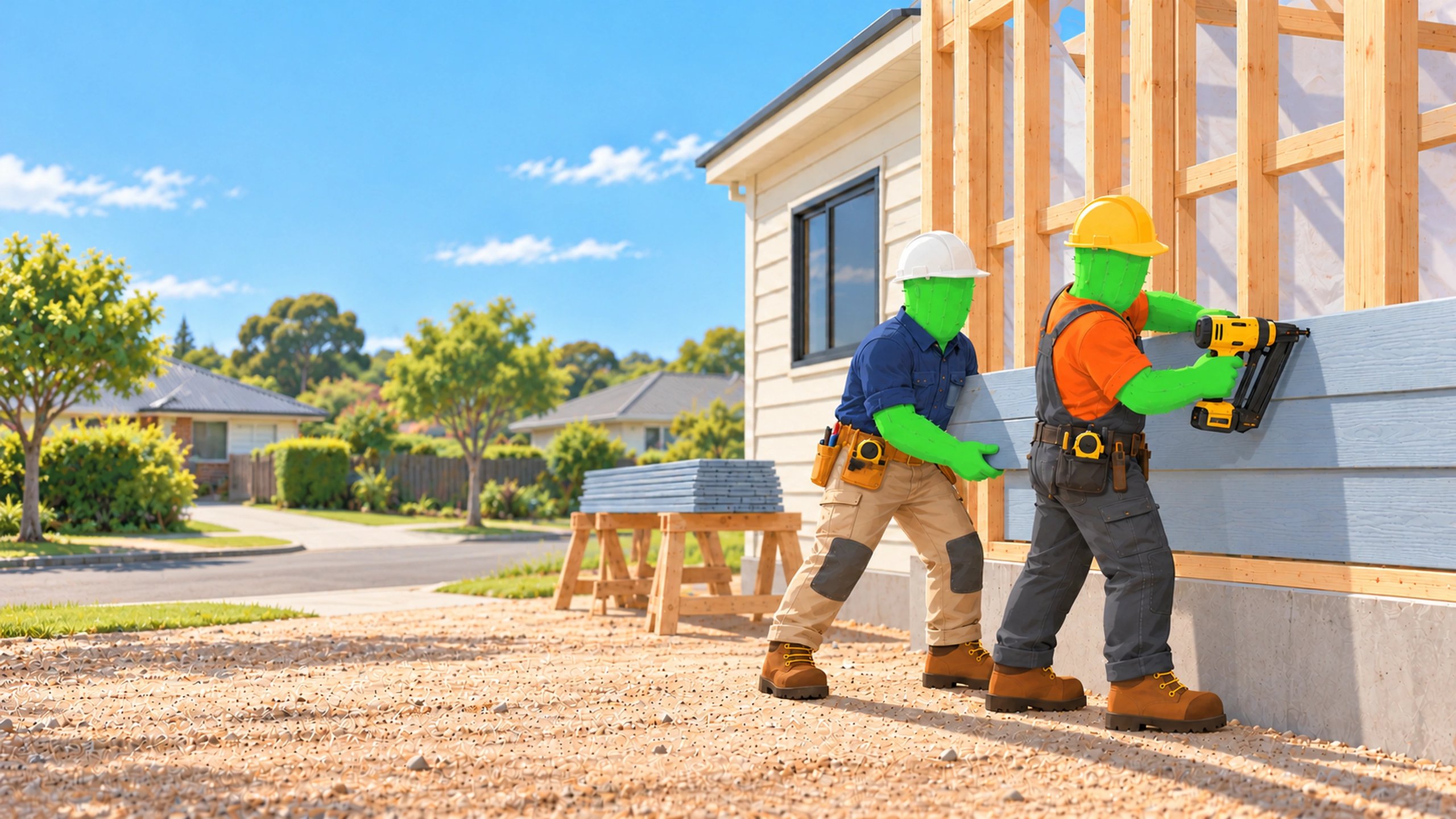
Builders
Own site plant or hire it in, either way you answer for it if it's lost or damaged.
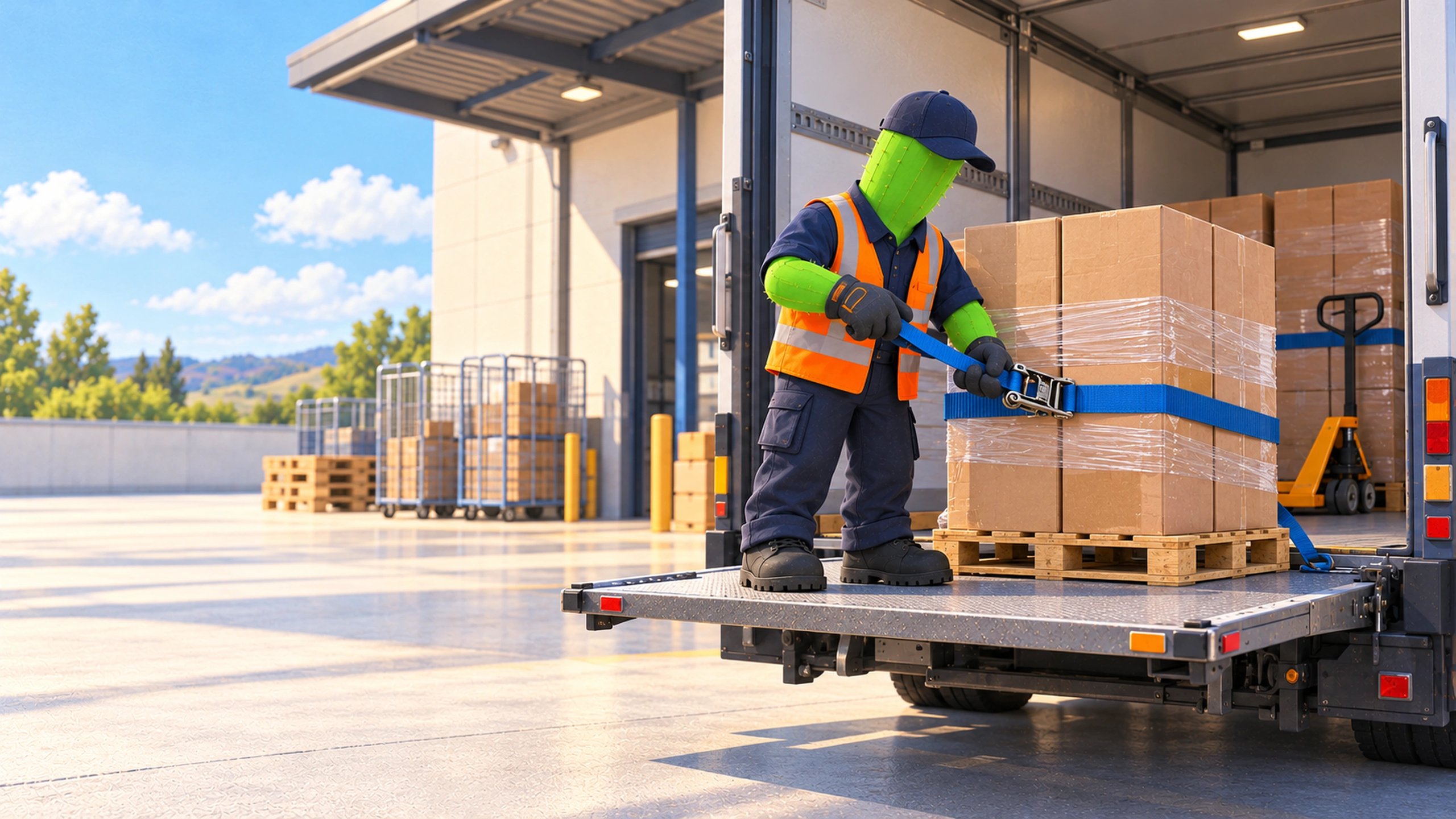
Transport and Distribution
Loaders, forklifts and trailers move your freight, and a smashed or stolen machine slows every delivery.

Farming and Rural
Tractors, loaders and diggers work hard on the farm and often sit out in paddocks and sheds.
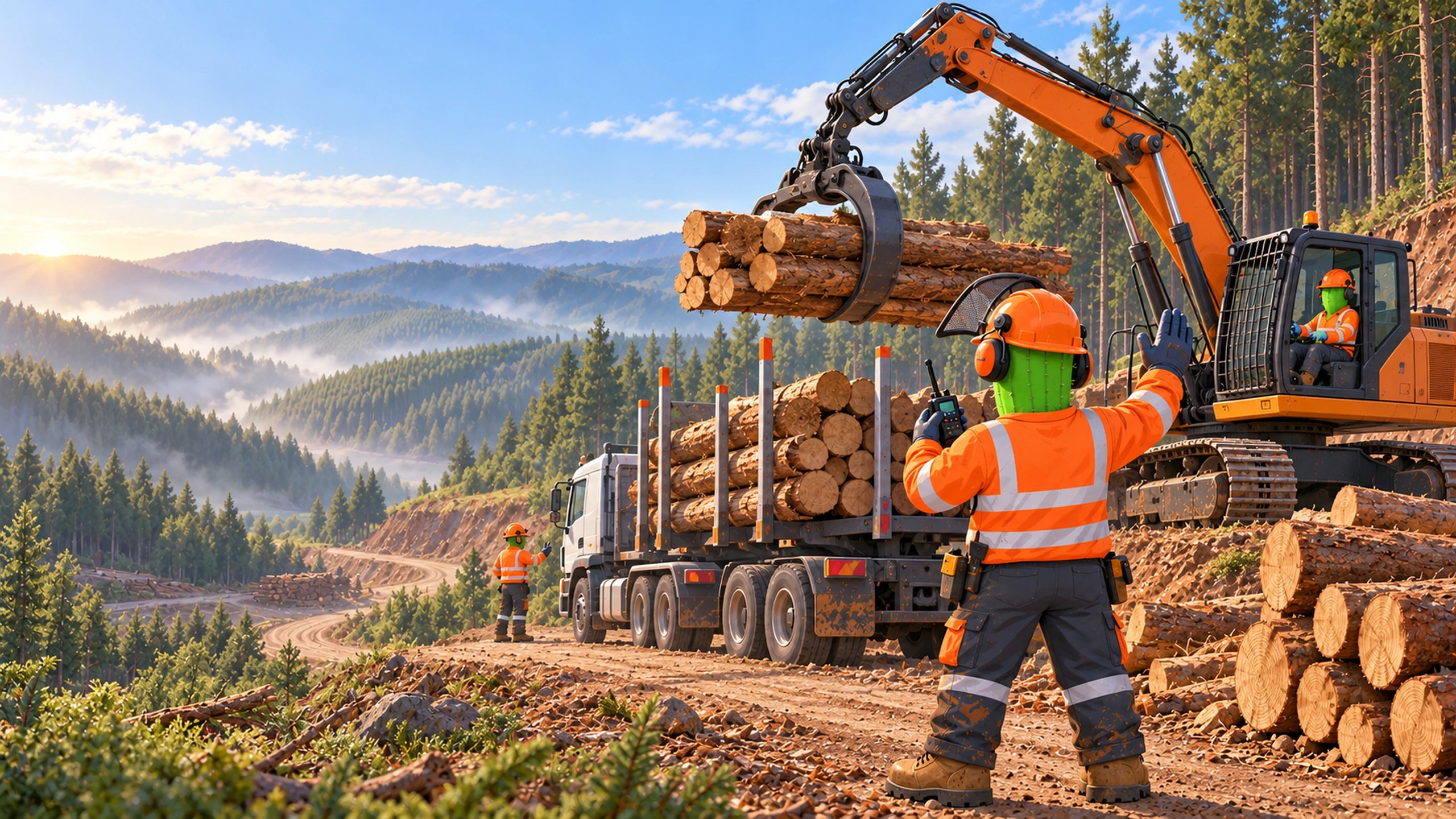
Forestry
Harvesters, skidders and excavators are costly gear on steep, remote sites, so a loss hurts fast.
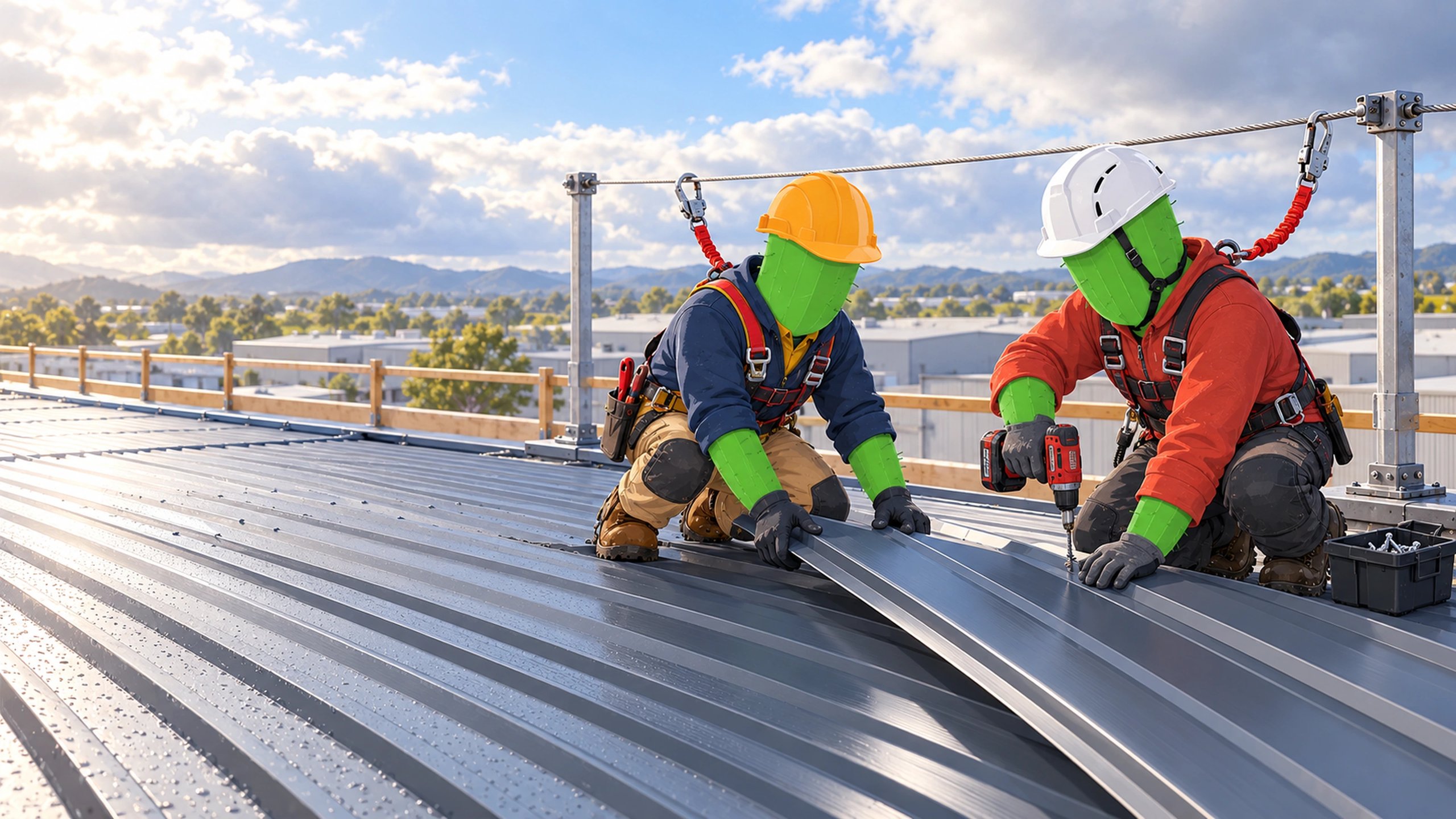
Roofers
Telehandlers, lifts and hired-in plant turn up on roofing jobs, and you're responsible for them.
Heavy machinery and plant insurance questions in NZ, answered
General information only. It isn't personal advice. Talk to a broker about your situation.
Is plant insurance the same as tools and equipment insurance?keyboard_arrow_down
No. Tools and equipment cover is for portable gear like power tools and hand tools. Plant cover is for the big, high-value machines like diggers, loaders and rollers. Most contractors need both, and a broker lines them up so nothing's doubled up or missed. See our Tools and Equipment page.
Do I need to insure plant I hire rather than own?keyboard_arrow_down
Usually, yes. Your hire agreement normally makes you responsible for loss or damage while the machine is on your job, even though it isn't yours. Check the agreement, then ask your broker whether your cover includes hired-in plant. It's a common and expensive gap.
Is my digger covered while it's being transported?keyboard_arrow_down
It can be, but not always. Some NZ policies cover plant while it's loaded, trucked and unloaded, and others limit or exclude transit. Tell your broker how and how often you move machines between jobs so the wording matches what you actually do.
What's the difference between agreed value and market value?keyboard_arrow_down
With agreed value, you and the insurer settle on what the machine is worth up front, and that's what you get on a total loss. With market value, the claim is based on what it was worth at the time of loss, which can be less. Your broker can show you the difference.
How much does heavy machinery and plant insurance cost in NZ?keyboard_arrow_down
It depends on the type, age and value of your plant, where it works and how it's stored, your security, your claims history and your excess. A new excavator costs more to cover than an old roller. A broker gets quotes from a number of NZ insurers, so you can compare options without ringing around.
How do I get heavy machinery and plant insurance in NZ?keyboard_arrow_down
Fill in the form and a broker will be in touch the same business day. You'll have a quick 10 minute call about what plant you have, where it works and how it's stored. Then we go to a number of NZ insurers and come back with options in plain English. You choose what suits.
Expert brokers at your fingertips
Got a question? Give us a ring and have a yarn with a real broker. We're here 8am to 6pm.
Busy on the tools? We'll call you.
Pick a time that suits and a broker will ring you back for a quick chat.
Spread the cost
We have payment options available, so you can pay for your insurance in regular instalments instead of one big hit. Costs and conditions vary.
Get a heavy machinery and plant insurance quote
Fill this in and a real broker will contact you the same business day.