
Engineering and manufacturing insurance in NZ
Machines on the floor, stock on the racks and parts that go out the gate to customers. A dedicated broker goes to a number of NZ insurers and checks the wording, not just the price.
in claims paid since 2018
clients
rating on Google
What are the main insurance risks for engineering and manufacturing businesses?
Your plant, your stock and your product all carry risk. A fire, a breakdown or a break-in can stop the line fast, and a part you made can cause trouble long after it leaves the shop. Which ones hit you depends on how you work.
Plant and machinery
CNC machines, presses and lines cost a packet to fix or replace. Parts can take weeks to arrive.
Stock and work in progress
Raw materials, parts and half-finished jobs sit on the floor. Fire, water and thieves all like them.
Fire and water damage
Heat, dust and oil make fire a real risk. A burst pipe or flood can stop the line for weeks.
Products that cause harm
A faulty part can bring an injury or damage claim long after it's gone out the door.
Injury on the floor
Machines, forklifts and heavy lifting. Staff and visitors are both at risk.
Production stopping
The money stops while the line is down, but the bills keep coming. That can outlast the repair.
Not sure which of these you need? That's what the call is for.
Have a quick 10 minute call with us about how you work: the shop floor, your plant and what you make. Then we go to a number of NZ insurers and come back with options in plain English. Fill in the form and we'll be in touch the same business day.
What insurance covers do engineering and manufacturing businesses typically need?
Here's what most engineering and manufacturing businesses start with. A broker can sort out the rest. General information only.
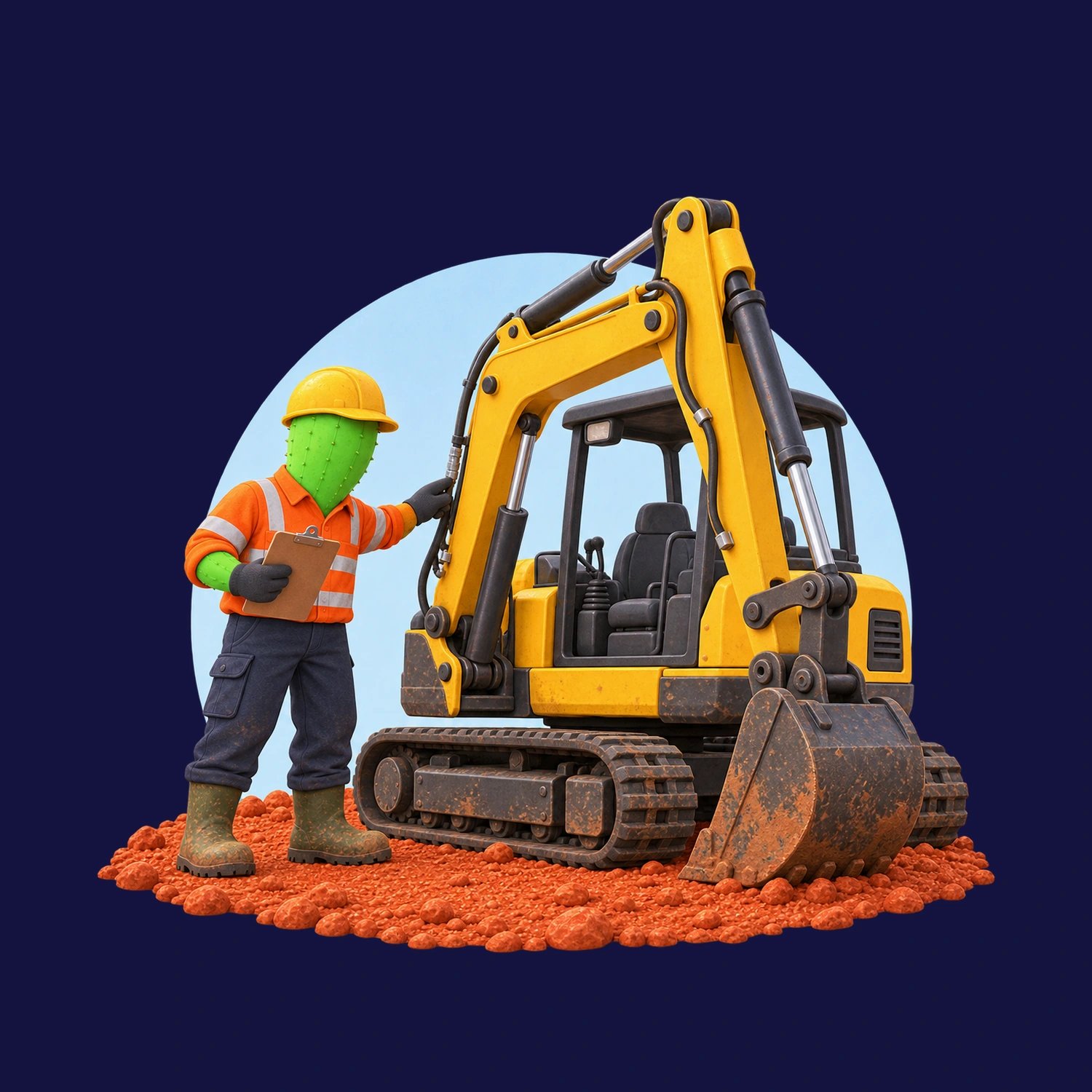
Heavy machinery and plant
Typically for damage or breakdown of your big plant, with conditions on how it's used and maintained.
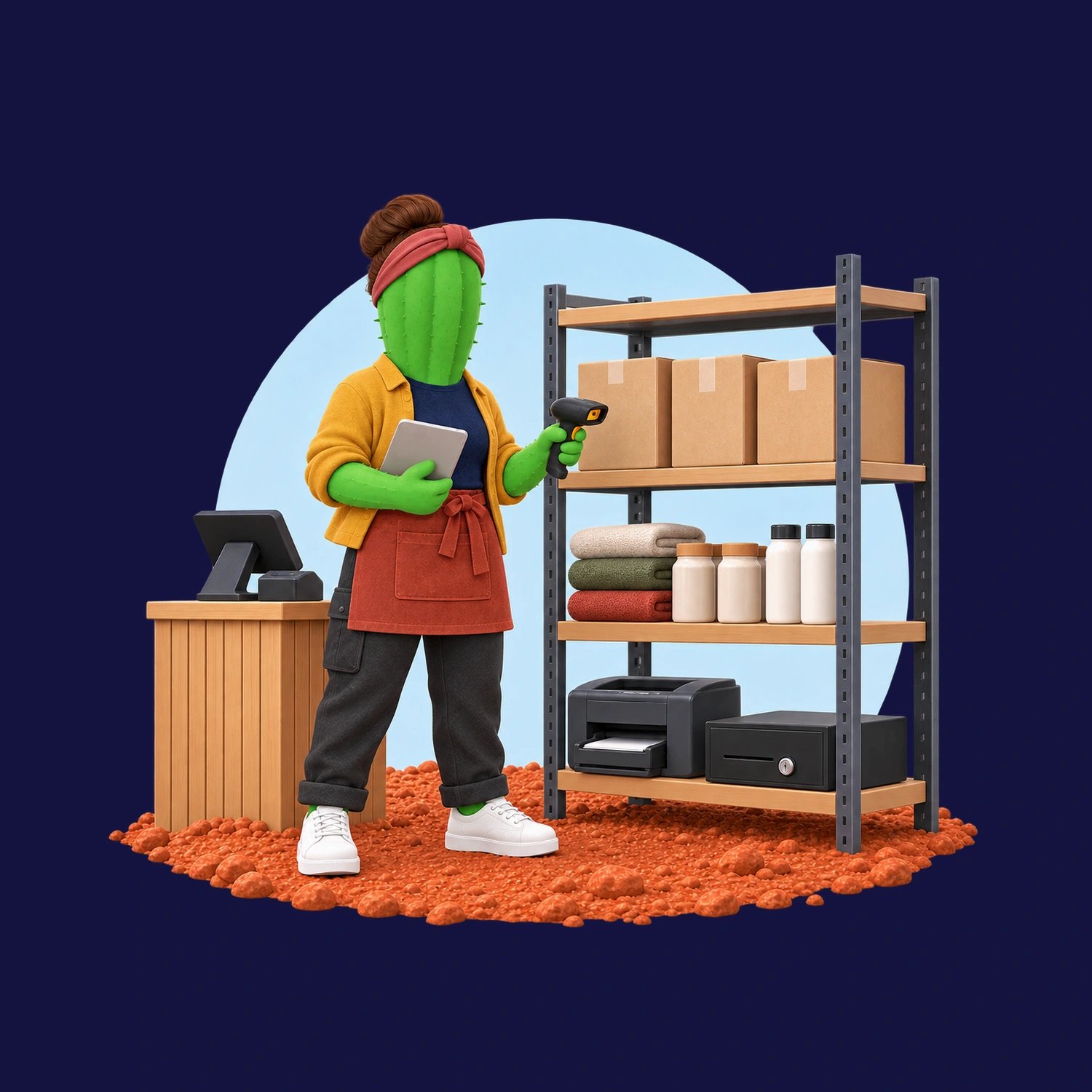
Business contents and stock
Typically for stock, raw materials and gear on site, depending on the policy.

Commercial property and fire
Worth a look if you own the building or your lease says you have to insure it.

Business interruption
Typically for income lost when an insured event stops the line. What triggers it varies, so check the wording.

Liability insurance
Typically for injury or damage claims linked to your site, your work or your products. Product liability terms vary.
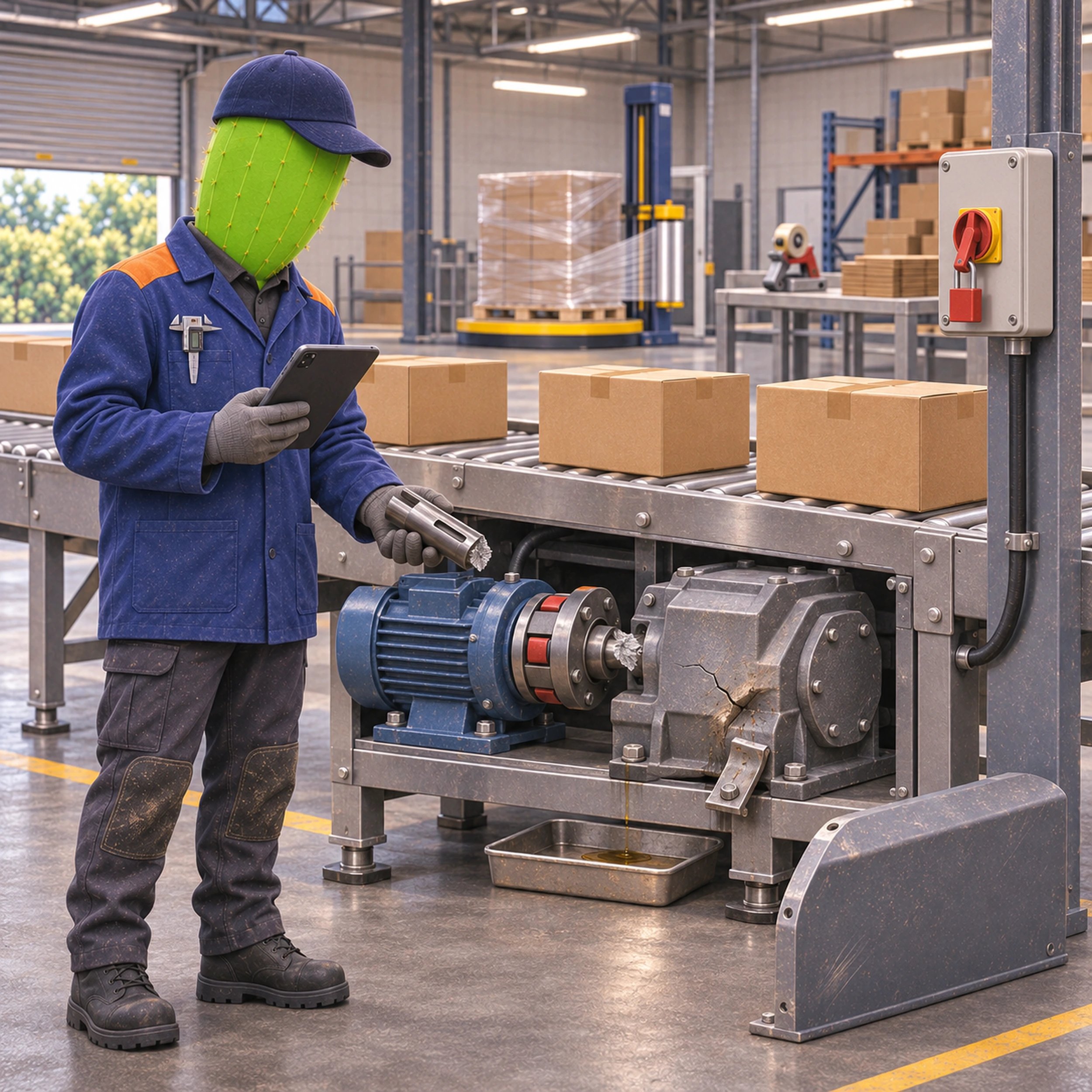
Am I covered if a part I made fails and damages a customer's machine?
Usually yes, if product liability is written into your liability cover. That cover pays when a part you made damages someone else's property, like a customer's machine. The part itself, and the cost of recalling or replacing it, is usually left out. Your broker checks the limit and the wording so you know where you stand.
Why isn't my normal liability policy enough?
Plenty of liability policies cover your premises and your work on site, then stop once a product has left your hands. Product liability is often a separate extension with its own limit. Selling overseas matters too, because some policies exclude exports to the US and Canada. Ask before the next shipment goes out. That's the gap that catches manufacturers out.
What does that look like in real life?
You machine drive shafts for a conveyor builder. One snaps on a customer's packing line and wrecks the gearbox. The line is down for a fortnight, and the customer wants the repair bill from you. Product liability can respond to the damage to their machine. It won't pay to remake the shaft. Without that cover, the bill is yours. With it, your broker helps you lodge the claim and keeps you posted.
What will my broker check?
- The product liability limit, and whether it covers your biggest customer's machine.
- Where your products end up, including exports to the US and Canada.
- Exclusions for faulty design, workmanship and recall costs.
- Parts you design or spec yourself, where Professional Indemnity can fill the gap.
- What your customer contracts say you're on the hook for.
- Parts you buy in and on-sell, and work you sub out.
- The excess on a product claim.
Where do the plant and the rest of the shop fit in?
Your own machines sit under Heavy Machinery and Plant, and your hand tools under Tools and Equipment. A line that's down is a Business Interruption claim. Most engineering and manufacturing businesses start with Liability Insurance and build from there. A broker lines them up so you're not paying twice or missing a gap.
Not sure where you stand? Have a yarn with a broker. Ten minutes about how you work is usually enough to see what's in place and what's missing.
Written by Ken Chan, Insurance Broker, Cactus. Last reviewed 28 October 2026. General information only.
Engineering and manufacturing insurance questions in NZ, answered
General information only. Your broker can explain how it applies to your shop floor.
What insurance does an engineering or manufacturing business usually need?keyboard_arrow_down
Most start with plant and machinery, stock, building and fire, business interruption and liability. What you add depends on what you make, what's on site and who you supply. A broker maps it against how you work.
Is product liability included?keyboard_arrow_down
Not always. Liability policies can respond to claims about products you make or supply, but limits and exclusions vary, including for products sold overseas. Ask your broker to check the wording before the next big order goes out.
Can I insure machines against breakdown?keyboard_arrow_down
Yes. Cover for damage or breakdown of major plant is available. Insurers look at how old the machine is, how it's maintained and how it's used. A broker can explain the options for your plant.
What happens to my income if production stops?keyboard_arrow_down
Business interruption cover is designed to help with income and ongoing costs after an insured event, like a fire, stops or slows the line. The cause, the wording and how long it pays all matter, so ask before you need it.
How often should I review my cover?keyboard_arrow_down
At least once a year. Also whenever something changes, like a new machine, a bigger site, a new product or a new customer.
Do I need professional indemnity if I design the parts I make?keyboard_arrow_down
If you design or spec the parts as well as make them, a customer can blame the design, not just the build. Liability cover usually responds to damage, not design faults, so engineering and manufacturing businesses in NZ often look at professional indemnity too. Your broker checks which one picks up what, so a gap doesn't turn up after a claim.
Still have a question?
Talk to a broker. No jargon, no hold music.
Expert brokers at your fingertips
Got a question? Give us a ring and have a yarn with a real broker. We're here 8am to 6pm.
Busy on the tools? We'll call you.
Pick a time that suits and a broker will ring you back for a quick chat.
Spread the cost
We have payment options available, so you can pay for your insurance in regular instalments instead of one big hit. Costs and conditions vary.
Get an engineering and manufacturing insurance quote
Fill this in and a real broker will contact you the same business day.