
Fleet vehicles insurance in NZ
Yes, your utes, vans, trucks and trailers can sit on one policy with one renewal date, and you can add or drop vehicles as the year goes. A broker goes to a number of NZ insurers and finds cover that suits how you run. General information only.
in claims paid since 2018
clients
rating on Google
What are the main insurance risks for fleet vehicles?
Every ute and van is a tool that earns its keep, until one doesn't turn up. Here's where fleets usually get caught out.
A crash that takes a van off the road
One prang and a van is gone for weeks. Repairs, a hire vehicle and the jobs you can't get to all add up.
A driver you didn't list
A new starter, a young driver or a mate helping out can be behind the wheel when it goes wrong. Cover can hinge on who was driving.
Stuff stolen from the tray
Tools and gear left in the ute overnight are easy pickings, and the vehicle policy usually doesn't look after them.
Trailers and attachments
Trailers, tow gear and bolt-on bodies are easy to forget, and they're not always covered unless they're listed.
The gap when vehicles are added mid-year
Buy a new ute in March and forget to tell anyone, and you can be driving it uncovered until the next renewal.
Not sure which of these you need? That's what the call is for.
Have a quick 10 minute call with us about how you work: your vehicles, your drivers, and the loads and gear you carry. Then we go to a number of NZ insurers and come back with options in plain English. Fill in the form and we'll be in touch the same business day.
What insurance covers do fleet vehicles typically need?
Here's what most fleets start with. A broker can sort out the rest. General information only.
Business vehicles
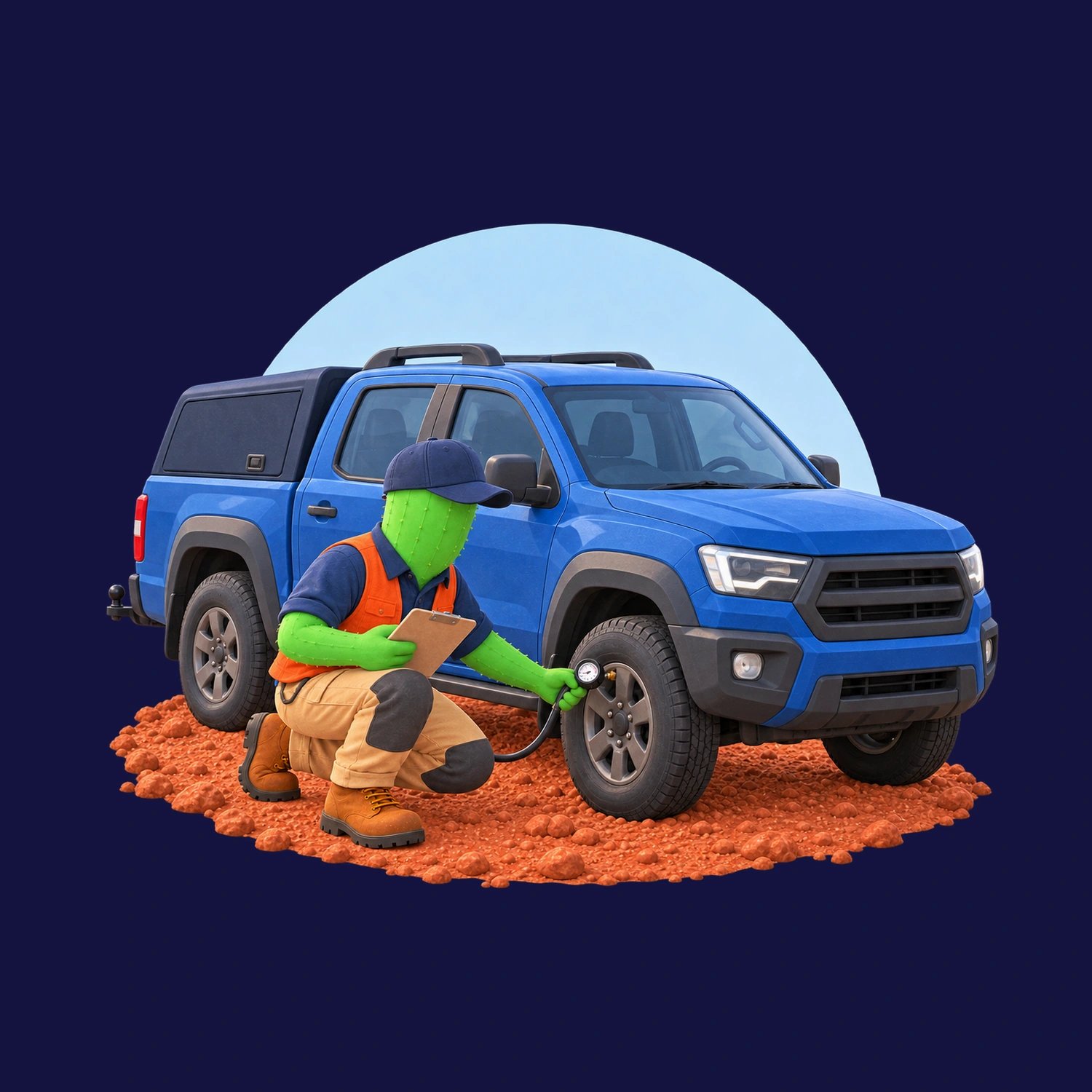
Typically for accidental damage and theft of the utes, vans and trucks you run, with conditions on drivers and use.

Liability insurance
Typically for injury or property damage claims linked to your work. Damage caused by a vehicle is often handled elsewhere.

Tools and equipment
Typically for tools and gear stolen from or damaged in the ute or van, which the vehicle policy often leaves out.

Business interruption
Typically for income lost when a key vehicle is out of action after an insured event.

Marine cargo and carriers liability
Worth a look if you carry other people's goods, like couriers and delivery runs do.
Heavy machinery and plant
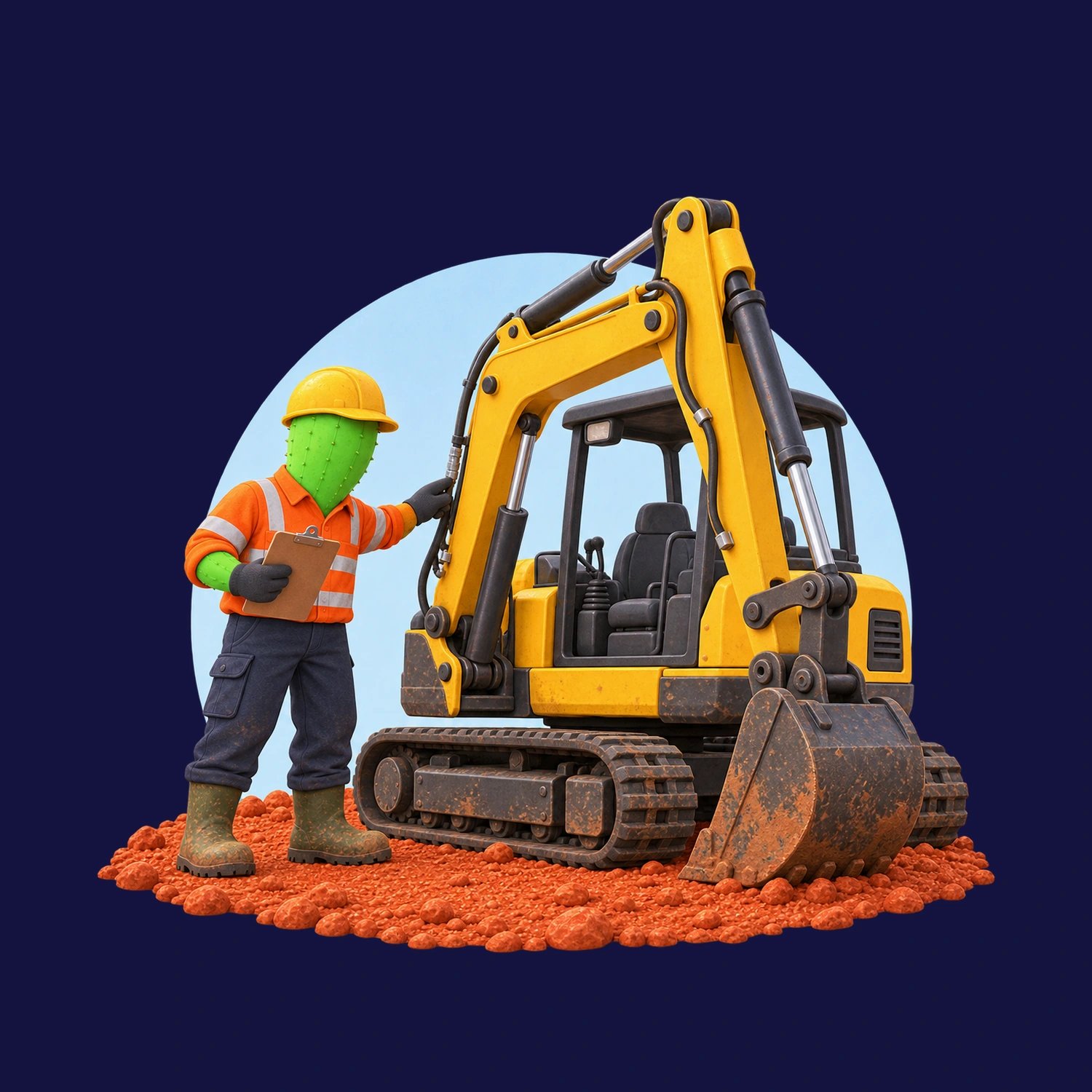
Relevant if your fleet tows or carries plant, like diggers, loaders and compressors.
Is fleet insurance different from insuring each vehicle separately?
Yes. Fleet insurance puts your utes, vans, trucks and trailers on one policy with one renewal date, instead of a separate policy for each vehicle. You can add or remove vehicles during the year, and the cover is set around how the whole fleet runs. It's simpler to manage and easier to check for gaps.
Who usually needs it?
Businesses running a group of vehicles: trades crews with a few utes, couriers, service companies, hire and delivery outfits and rural contractors. If keeping track of several policies and renewal dates is a headache, it's worth a yarn. One broker, one conversation, one date in the diary.
What does it usually cover?
Accidental damage and theft of the vehicles, third-party property damage, and often hire while a vehicle is off the road. You choose agreed value or market value and set the excess. You can set who's allowed to drive, from you and your staff to casual and young drivers. Trailers and attachments can be listed too.
What isn't covered?
Wear and tear and breakdowns aren't covered. Tools and gear in the back usually sit outside the vehicle policy, and cover can be limited for drivers who aren't on it, so tell your broker who drives.
What affects the price?
The number and type of vehicles, who drives them, what you use them for, your claims history, the excess you choose and the sums insured. A fleet with a clean record and tight driver rules is easier for insurers to like.
What will my broker check?
- Every vehicle, trailer and attachment is listed at the right value.
- Agreed value or market value, whichever suits.
- Who drives, including new, young and casual drivers.
- What each vehicle is used for and what it carries.
- Excess levels across the fleet.
- Claims history for the whole fleet.
- Hire or loss of use cover while a vehicle is off the road.
- How vehicles get added or removed mid-year.
What does that look like in real life?
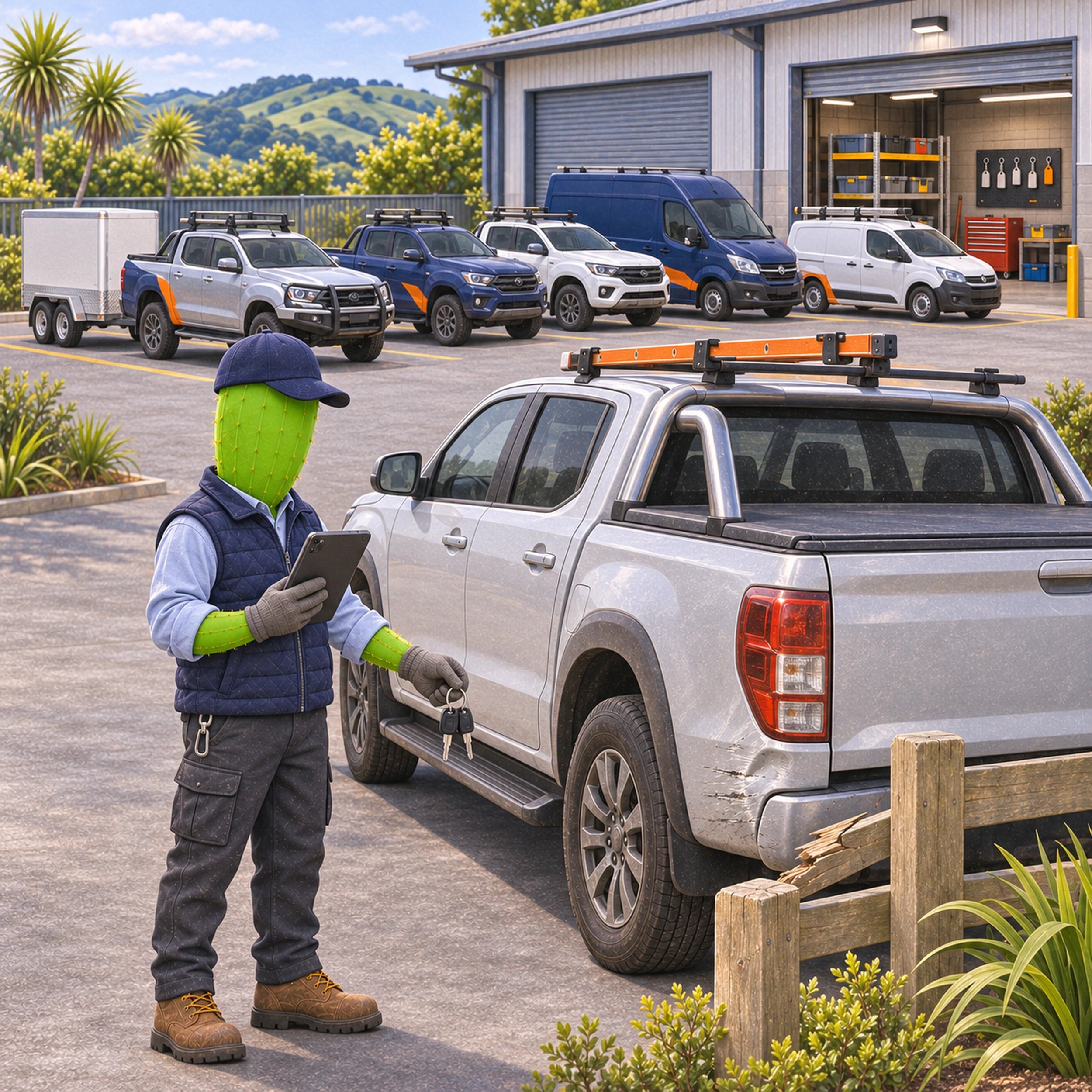
You run four utes and a van for a building crew. In March you buy a fifth ute and put a new apprentice in it. In May he backs it into a client's fence. If that ute was never added and he wasn't named, you're arguing about cover instead of getting on with the job. If you told your broker the day you bought it, it's sorted, and the claim gets handled instead of argued over.
Where do the pieces fit?
The vehicles sit under Business Vehicles. Injury or damage claims from your work sit under Liability Insurance. Tools and gear in the back sit under Tools and Equipment. A broker lines them up so you're not paying twice or missing a gap.
Not sure where you stand? Have a yarn with a broker. Ten minutes about how you work is usually enough to see what's in place and what's missing.
Written by Jay Areora, Commercial Broker, Cactus. Last reviewed 29 October 2026. General information only.
Fleet vehicles insurance questions in NZ, answered
General information only. Your broker can explain how it applies to your fleet and your drivers.
How much does fleet vehicle insurance cost in NZ?keyboard_arrow_down
There's no single figure, because the price is built around your fleet. For fleet vehicles in NZ it comes down to how many vehicles you run, what type they are, who drives them, what you use them for, your claims history, the excess you choose and the sums insured. A broker goes to a number of NZ insurers so you can compare options.
How do I get fleet insurance in NZ?keyboard_arrow_down
Have a quick 10 minute call with a Cactus broker about your vehicles, your drivers and what you carry, or fill in the form on this page. We go to a number of NZ insurers and come back with options for your fleet vehicles in plain English. We'll be in touch the same business day.
Can I add or remove fleet vehicles mid-year in NZ?keyboard_arrow_down
Yes. Fleet vehicles in NZ can usually be added when you buy them and removed when you sell them, with the premium adjusted to match. Tell your broker the day a vehicle comes or goes, so the new ute is covered from the start and you're not paying for one that's already been sold.
Who can drive my fleet vehicles in NZ?keyboard_arrow_down
That's set in the policy. Some fleet policies cover any licensed driver, others list named drivers or limit cover for young or new drivers. Tell your broker who actually drives your fleet vehicles in NZ, including staff, casuals and subcontractors, so the wording matches how you really run.
Are tools in my fleet vehicles covered in NZ?keyboard_arrow_down
Usually not by the vehicle policy. Tools and gear carried in fleet vehicles in NZ normally need Tools and Equipment cover, which can include theft from a locked vehicle, with conditions. Your broker can line it up with your vehicle cover so nothing falls between the two.
Do trailers need to be listed on my fleet policy in NZ?keyboard_arrow_down
Yes, list them. Trailers and attachments aren't automatically covered under a fleet vehicles policy in NZ. Each one is usually listed with its value, so a stolen or damaged trailer can be claimed. Your broker can add them to the same policy and renewal date as your utes, vans and trucks.
Still have a question?
Talk to a broker. No jargon, no hold music.
Expert brokers at your fingertips
Got a question? Give us a ring and have a yarn with a real broker. We're here 8am to 6pm.
Busy on the tools? We'll call you.
Pick a time that suits and a broker will ring you back for a quick chat.
Spread the cost
We have payment options available, so you can pay for your insurance in regular instalments instead of one big hit. Costs and conditions vary.
Get a fleet vehicles insurance quote
Fill this in and a real broker will contact you the same business day.