
Civil and groundworks insurance in NZ
Diggers, trucks, subbies and a lot of holes in the ground. A dedicated broker goes to a number of NZ insurers and checks the wording, not just the price.

in claims paid since 2018
clients
rating on Google
What are the main insurance risks for civil and groundworks contractors?
Big machines, buried services and a lot of moving dirt. Most crews face the same handful of risks. Which ones hit you depends on the job.
Hitting underground services
Dig through a pipe or cable and you're looking at repair costs, disruption and a claim.
Plant theft and damage
Diggers, rollers and trailers cost a packet and are a target when left on site.
Ground movement and neighbours
Digging can shift nearby land, fences and buildings. Then the neighbours come knocking.
Injury on site
Heavy machinery and open trenches put your crew and the public at risk.
Not sure which of these you need? That's what the call is for.
Give us 10 minutes on the phone about how you work: the jobs you take on, the sites, your plant and any subbies or hired-in operators. Then we go to a number of NZ insurers and come back with options in plain English. Fill in the form and we'll be in touch the same business day.
What insurance covers do civil and groundworks contractors typically need?
Here's what most civil crews start with. A broker can sort out the rest. General information only.

Liability
Typically for claims when your work damages someone's property or hurts someone. That includes a cut pipe or cable. Where most crews start.

Heavy machinery and plant
Typically for theft, fire or accidental damage to your diggers, rollers and other plant.
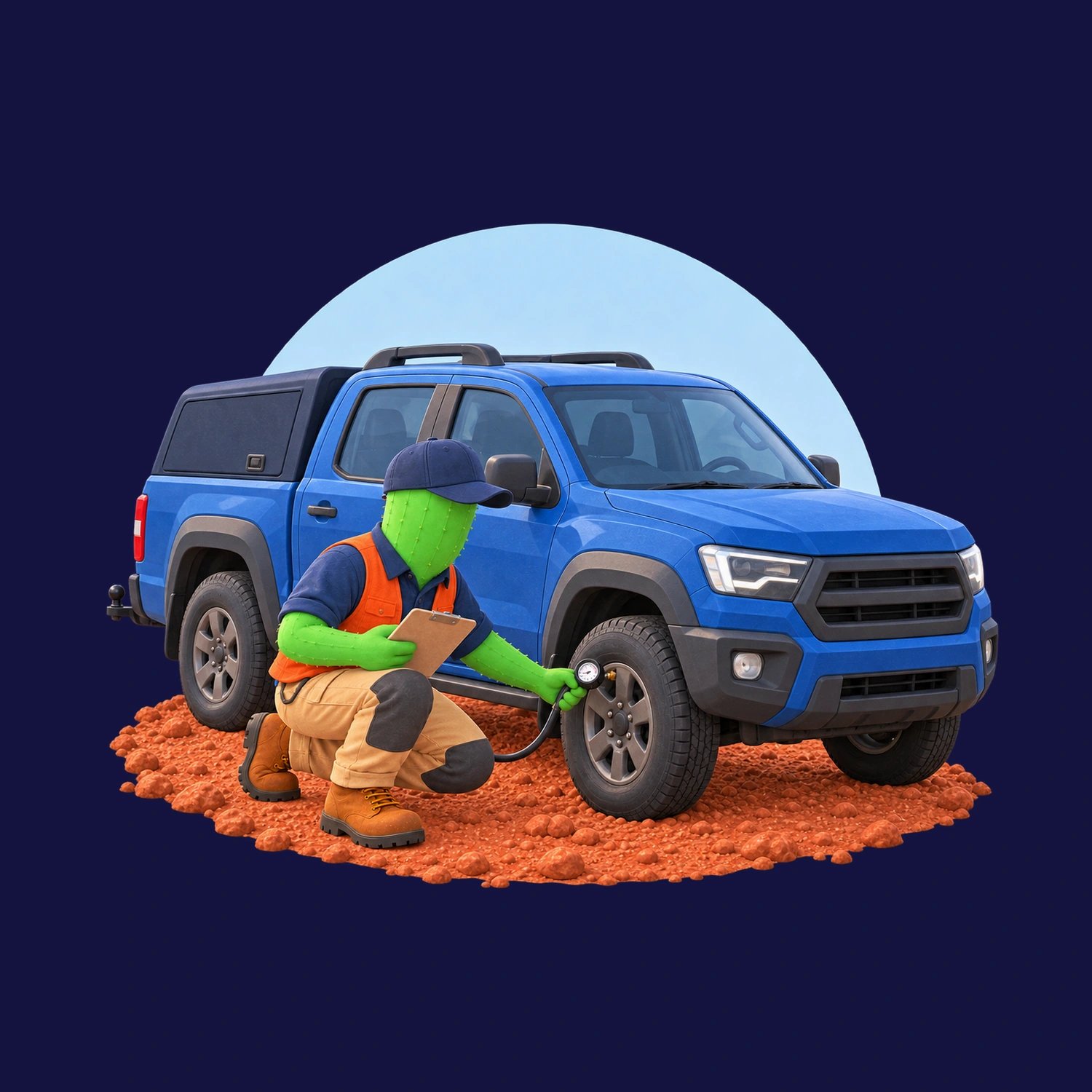
Business vehicles
Typically for the trucks, utes and trailers you use to move gear and material.

Contract works
Typically for work in progress and materials on site, like subdivisions and earthworks.

Tools and equipment
Typically for smaller gear like lasers, generators and hand tools if it's nicked or damaged.

Business interruption
Typically for income lost when an insured event stops you working. Check what triggers it.
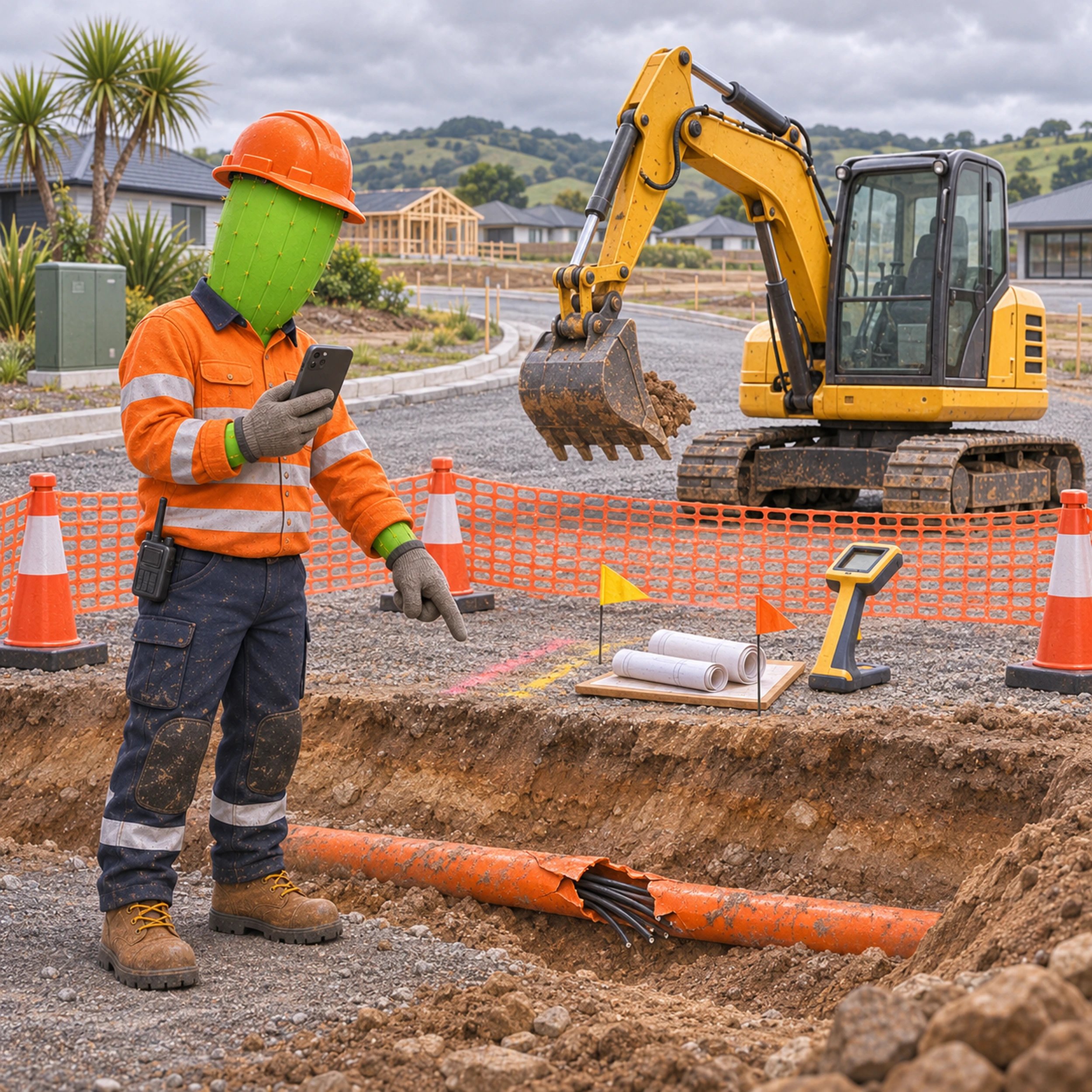
Am I covered if I hit an underground service while digging?
Yes, liability cover can respond when you hit someone else's pipe or cable, because it's damage to their property. Some policies cap or exclude underground services, so your broker checks the limit, the excess and any services exclusion before the digger goes in. Do that first, not after the strike.
Why does an underground strike get complicated?
The bill is more than the broken pipe. There's the repair, the outage, and sometimes the homes and businesses that lost power, water or broadband while it was down. Claims like that can run into tens of thousands, and some policies sub-limit or exclude underground services altogether. A broker finds that out before you're standing in a trench.
What does that look like in real life?
You're trenching for a new subdivision and the excavator clips a fibre line that wasn't on the plans. The street loses broadband for two days, the network company sends you the repair bill, and the cafe on the corner wants compensation for lost trade. Without the right cover, that lands on you. With it, your broker helps you lodge the claim and keeps you posted.
Does hiring in a machine or operator change it?
It can. If a hired operator or a subbie hits a service on your job, the owner of the damaged pipe usually comes to you first. Your broker checks that your policy picks up work done by hired-in operators and subbies, and what your contract says about who carries the risk.
What will my broker check?
- The limit for underground services and for the policy overall.
- Any exclusion or sub-limit for buried pipes, cables and services.
- The excess on a services strike.
- Whether your locating steps, like plans, scans and potholing, are a condition of cover.
- Subbies and hired-in operators digging on your behalf.
- Claims for outages and lost trade from the people affected.
Where do my plant and the job itself fit in?
Damage to someone else's pipe or cable sits under Liability Insurance. Your diggers and rollers are Heavy Machinery and Plant. Work in progress, like the trench or the subdivision, sits under Contract Works, and the trucks and utes are Business Vehicles. A broker lines them up so you're not paying twice or missing a gap.
Not sure where you stand? Have a yarn with a broker. Ten minutes about how you work is usually enough to see what's in place and what's missing.
Written by Damian Dekker, Commercial Broker, Cactus. Last reviewed 28 October 2026. General information only.
Civil and groundworks insurance questions in NZ, answered
General information only. Your broker can explain how it applies to your business.
Do civil contractors need public liability insurance in NZ?keyboard_arrow_down
Most do. Councils, developers and head contractors commonly want to see liability cover before you start. It's there for injury or damage to other people's property that you're legally responsible for.
What happens if I hit an underground pipe or cable?keyboard_arrow_down
Liability cover can respond to damage to someone else's pipe or cable. Conditions and exclusions vary, including how you checked for services first. Your broker checks the wording and any underground services limit before you break ground.
Are my diggers and plant covered?keyboard_arrow_down
Heavy machinery and plant cover is for theft, fire or accidental damage to your gear. Hired-in plant and storage conditions vary, so tell your broker what's on site and where it's parked overnight.
How much does civil and groundworks insurance cost in NZ?keyboard_arrow_down
It depends on the work you do, the value of your plant, your turnover, your claims history and the covers you choose. Your broker goes to a number of NZ insurers and talks you through the options in plain English.
Do I need cover if I hire in plant or use subbies?keyboard_arrow_down
Hired plant and subbies can change your liability and what your contracts expect you to cover. Tell your broker who and what comes onto your sites so the wording matches how you actually work.
Am I covered if my digging damages a neighbour's fence or retaining wall?keyboard_arrow_down
Civil and groundworks contractors in NZ can be liable if digging or ground movement damages a neighbour's fence, retaining wall or building. Liability cover is the one that responds, so your broker checks the limit and any exclusion for subsidence or vibration before you start digging.
Still have a question?
Talk to a broker. No jargon, no hold music.
Expert brokers at your fingertips
Got a question? Give us a ring and have a yarn with a real broker. We're here 8am to 6pm.
Busy on the tools? We'll call you.
Pick a time that suits and a broker will ring you back for a quick chat.
Spread the cost
We have payment options available, so you can pay for your insurance in regular instalments instead of one big hit. Costs and conditions vary.
Get a civil and groundworks insurance quote
Fill this in and a real broker will contact you the same business day.