
Transport and distribution insurance in NZ
Trucks on the road, other people's freight on the deck and deadlines to hit. A dedicated broker goes to a number of NZ insurers and checks the wording, not just the price.
in claims paid since 2018
clients
rating on Google
What are the main insurance risks for transport and distribution businesses?
Time on the road adds up. A crash, a break-in or a smashed load can hurt fast, and a delay can cost as much as the damage. Which ones hit you depends on how you run.
Road accidents
Collisions, rollovers and damage to other people's vehicles or property.
Vehicle theft and break-ins
Loaded vans and trucks parked overnight are targets, along with tools and fuel.
Damaged or lost loads
Spoiled, broken or missing freight can mean a claim from the customer who owned it.
Injury at the loading dock
Lifting, forklifts and tight schedules put staff and visitors at risk.
A vehicle off the road
With only a few trucks, one breakdown or crash stops the money while repairs drag on.
Not sure which of these you need? That's what the call is for.
Have a quick 10 minute call with us about how you work: your drivers, your vehicles and the loads you carry. Then we go to a number of NZ insurers and come back with options in plain English. Fill in the form and we'll be in touch the same business day.
What insurance covers do transport and distribution businesses typically need?
Here's what most transport and distribution businesses start with. A broker can sort out the rest. General information only.
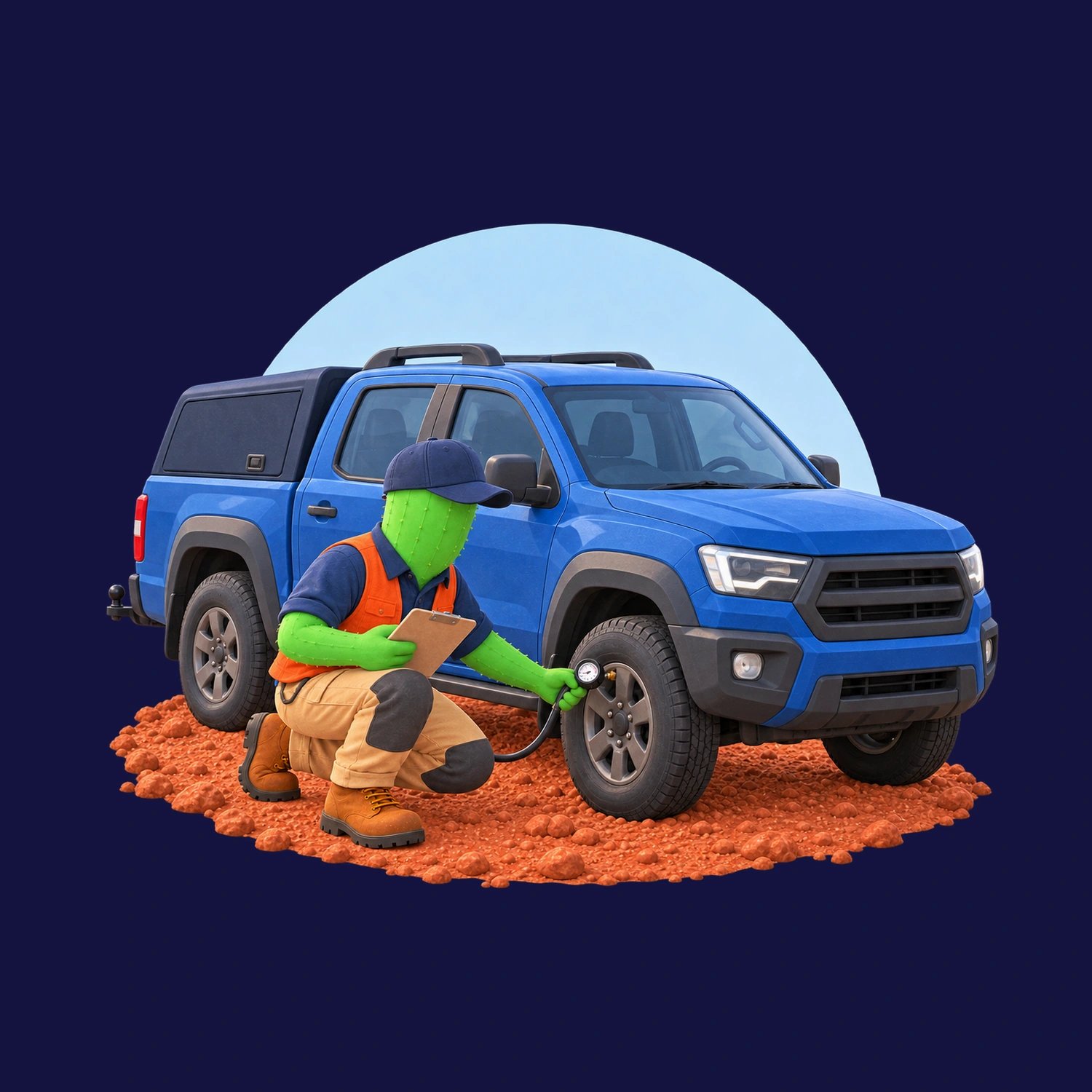
Commercial vehicles
Typically for damage to or theft of the trucks and vans you run, with conditions on use and drivers.
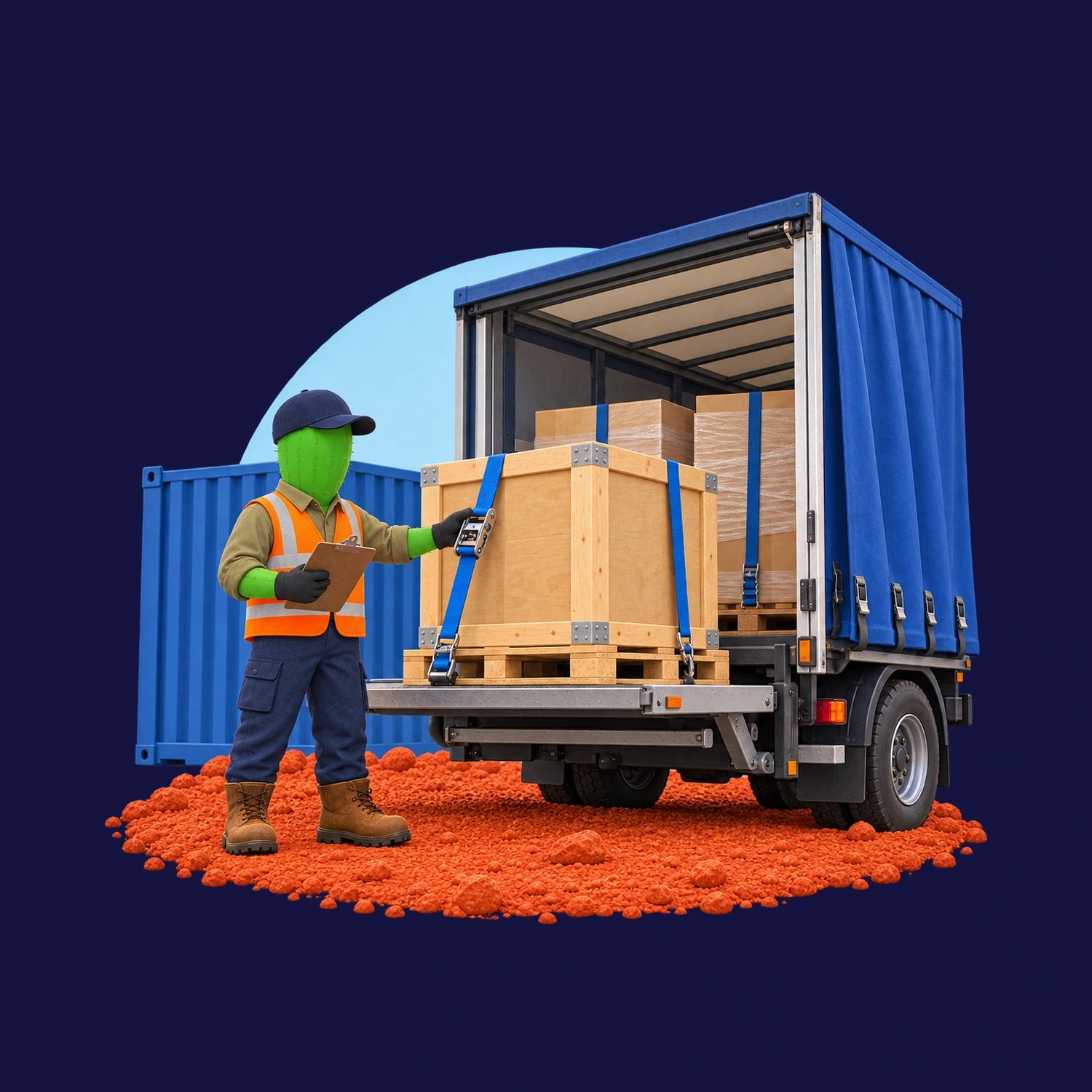
Marine cargo and carriers liability
Typically for loss or damage to freight you carry for others, and your liability for it.

Liability insurance
Typically for injury or property damage claims linked to your operation. Vehicle-related claims are often handled elsewhere.
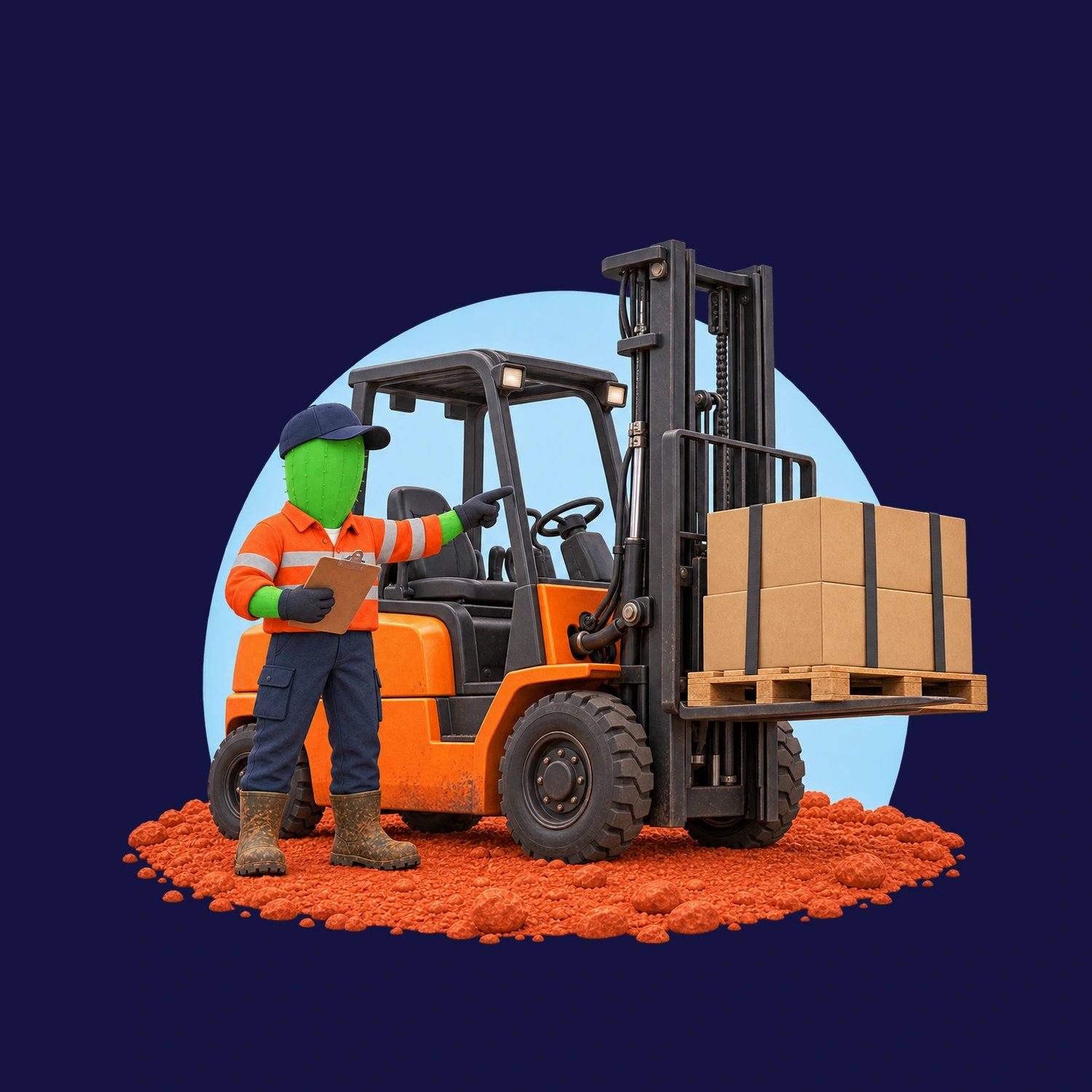
Forklifts and heavy machinery
Worth a look if you run forklifts or loaders at a depot or warehouse.

Depot and commercial property
Relevant if you own a depot or warehouse, or your lease says you have to insure it.

Business interruption
Typically for income lost when a truck, the depot or a key asset is out of action after an insured event.
Is my customer's freight covered while it's on my truck?
Not by your vehicle policy. Vehicle cover looks after the truck, not what's on the deck. Freight you carry for customers is covered by marine cargo or carriers liability, and it has to be set up on purpose. Your broker checks the limit per load and the conditions so it fits what you actually carry.
Why doesn't my vehicle policy sort it?
Vehicle policies are about the truck itself: a crash, a fire, a theft. The load on the deck sits outside that. Carriers liability covers what you're legally responsible for if a customer's freight is damaged or lost. Marine cargo covers the goods while they move. That's the gap that catches carriers out, and it's easy to miss until a claim lands.
What does that look like in real life?
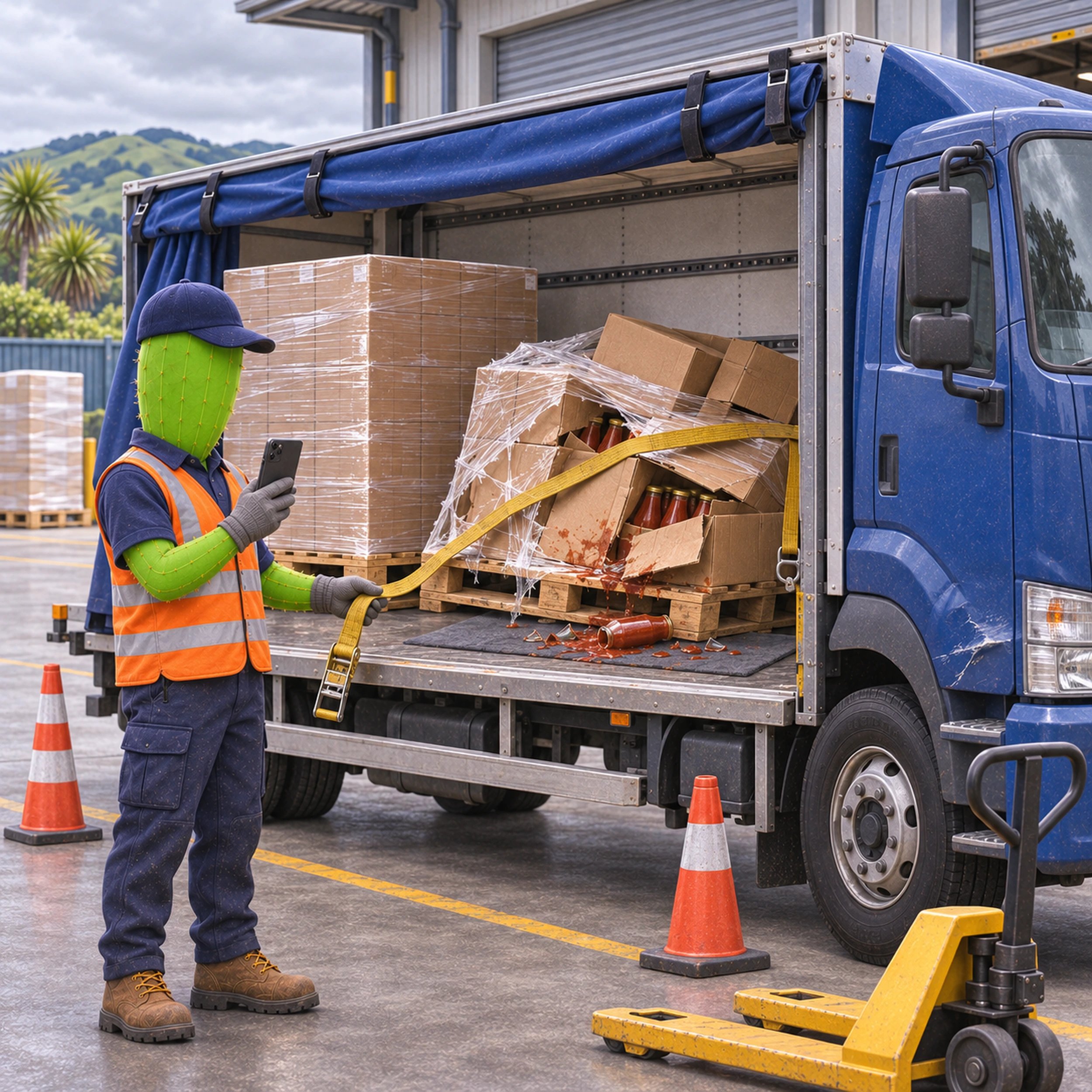
You're carrying pallets of bottled sauce from Hamilton to Auckland. A car pulls out, you brake hard and half the load tips and smashes. The truck has a few dents. The load is a write-off and the customer wants paying for it. Your vehicle policy deals with the truck. Without carriers liability or marine cargo, the load bill is yours. With it, your broker helps you lodge the claim and keeps you posted.
What will my broker check?
- The limit per load, so it covers your most valuable run, not your average one.
- Loads left on the truck or in the depot overnight.
- Freight that's limited or excluded, like chilled loads, glass and electronics.
- What your customer contracts say you're responsible for.
- Loads carried by subcontractors and owner-drivers.
- The excess on a freight claim.
- Cover while freight sits on a trailer or at a customer's yard.
- What happens if a driver leaves the vehicle unlocked.
Where do the truck and the depot fit in?
The truck itself sits under Business Vehicles. Injury and property damage claims sit under Liability Insurance. Most carriers start with Marine Cargo and Carriers Liability and build from there. Forklifts at the depot sit under Heavy Machinery and Plant. A broker lines them up so you're not paying twice or missing a gap.
Not sure where you stand? Have a yarn with a broker. Ten minutes about how you work is usually enough to see what's in place and what's missing.
Written by Nicholas Root, Insurance Broker, Cactus. Last reviewed 28 October 2026. General information only.
Transport and distribution insurance questions in NZ, answered
General information only. Your broker can explain how it applies to your trucks and your loads.
What insurance does a courier or carrier usually need?keyboard_arrow_down
Most start with vehicle cover, goods in transit or carriers liability, general liability and sometimes business interruption. What you add depends on what you carry and how you run. A broker maps it against your operation.
Am I responsible for customers' goods if they're damaged?keyboard_arrow_down
Often, yes, to some extent. It comes down to your contracts and the law. Goods in transit and carriers liability cover can respond to some of these claims, with limits and exclusions.
Does vehicle cover include the goods I'm carrying?keyboard_arrow_down
Not usually. Vehicle policies are about the truck or van itself, so the load is generally covered separately. Ask your broker to check before the next load goes on.
What if I use drivers or subcontractors?keyboard_arrow_down
Policies often have conditions about who can drive and how subcontractors are treated. Tell your broker how you use them so the cover matches how you work.
How often should I review my cover?keyboard_arrow_down
At least once a year. Also whenever something changes, like new vehicles, new routes, different freight or new customers.
Do I need goods in transit cover if I only do local courier runs?keyboard_arrow_down
Yes, short runs still carry risk. A transport and distribution business in NZ can be held responsible for a parcel that's dropped, stolen from the van or damaged on a local run, however short the trip. Goods in transit cover can respond, with limits per load and conditions on locked vehicles. Your broker checks the limit against your busiest day.
Still have a question?
Talk to a broker. No jargon, no hold music.
Expert brokers at your fingertips
Got a question? Give us a ring and have a yarn with a real broker. We're here 8am to 6pm.
Busy on the tools? We'll call you.
Pick a time that suits and a broker will ring you back for a quick chat.
Spread the cost
We have payment options available, so you can pay for your insurance in regular instalments instead of one big hit. Costs and conditions vary.
Get a transport and distribution insurance quote
Fill this in and a real broker will contact you the same business day.